Campus
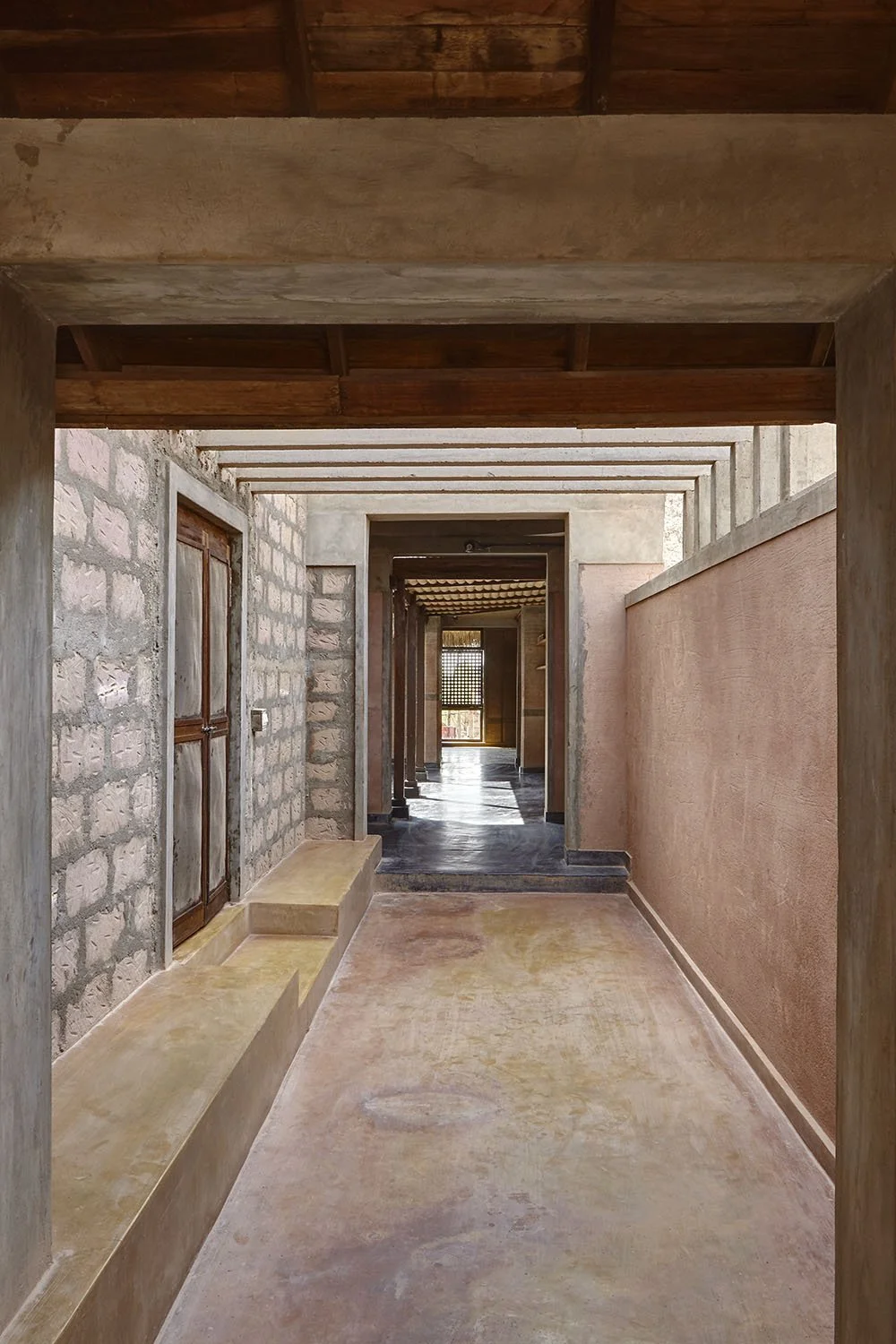
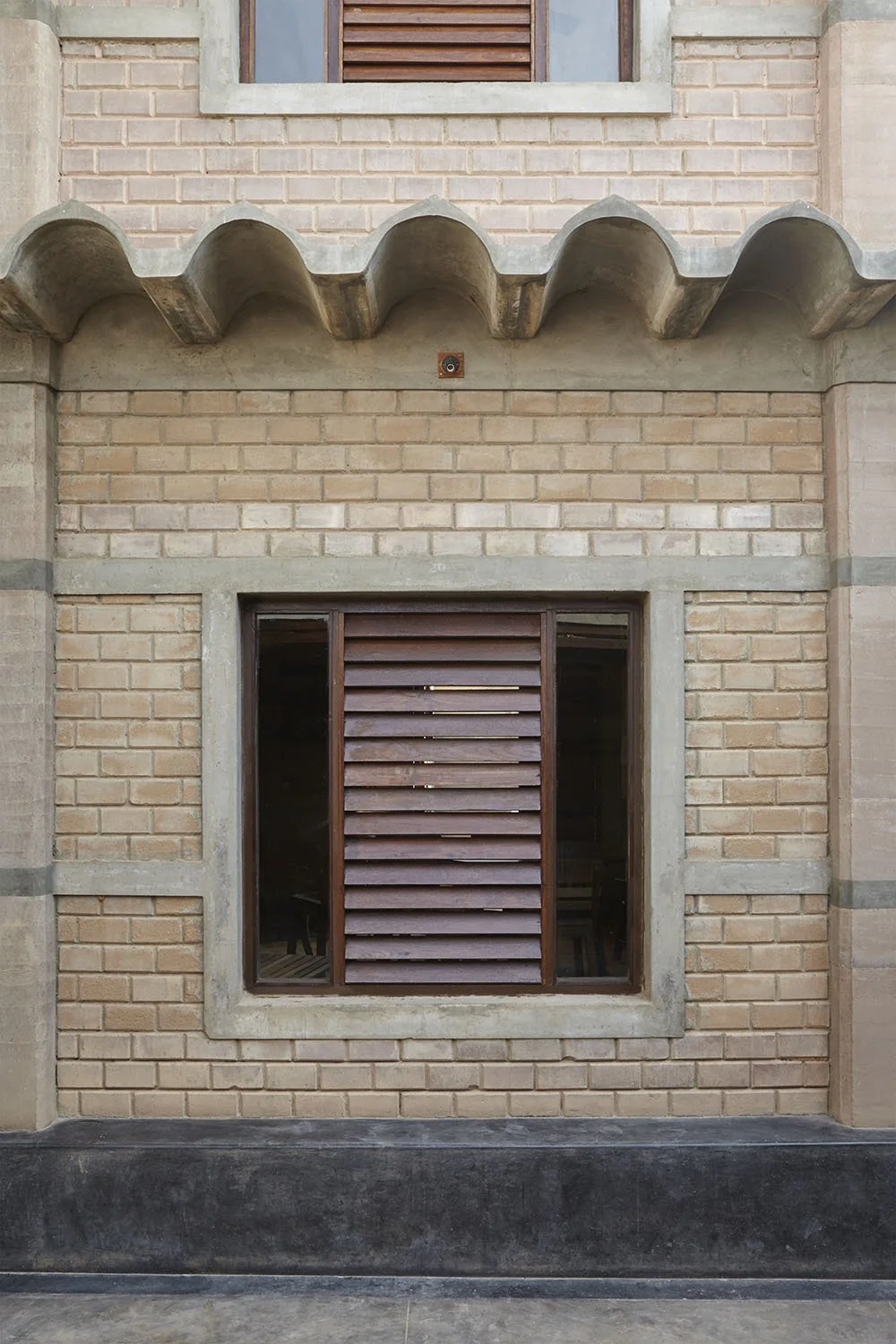
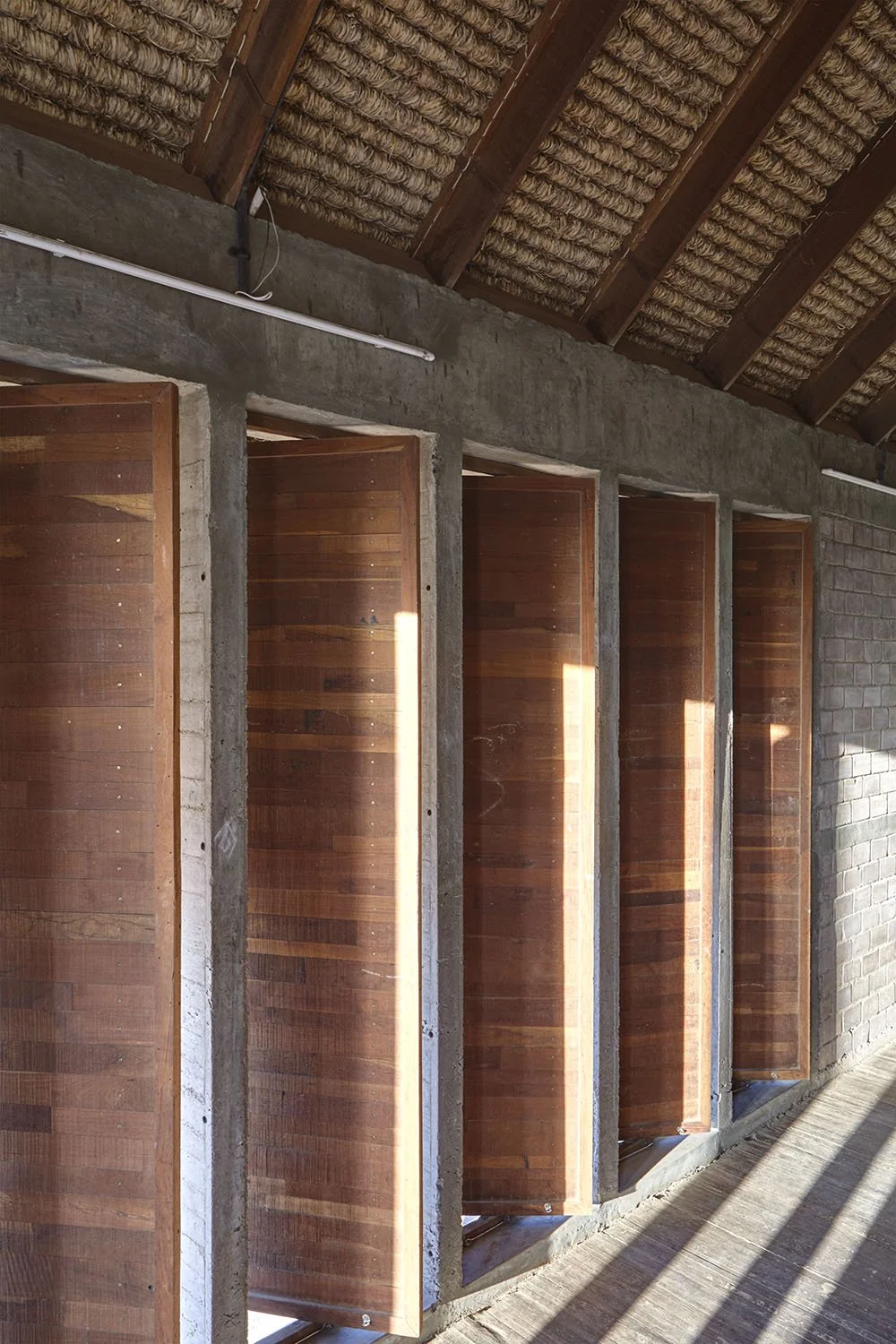
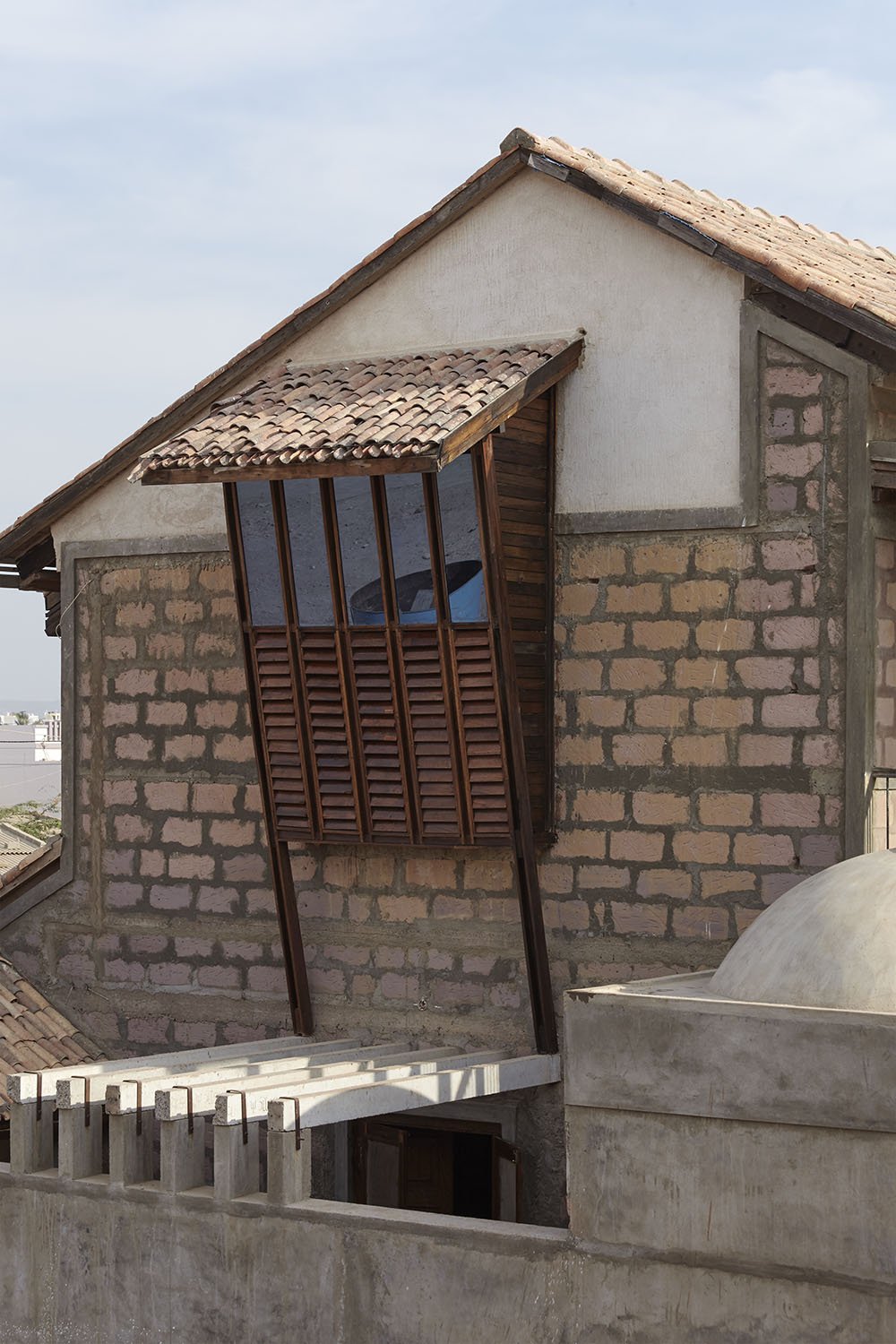
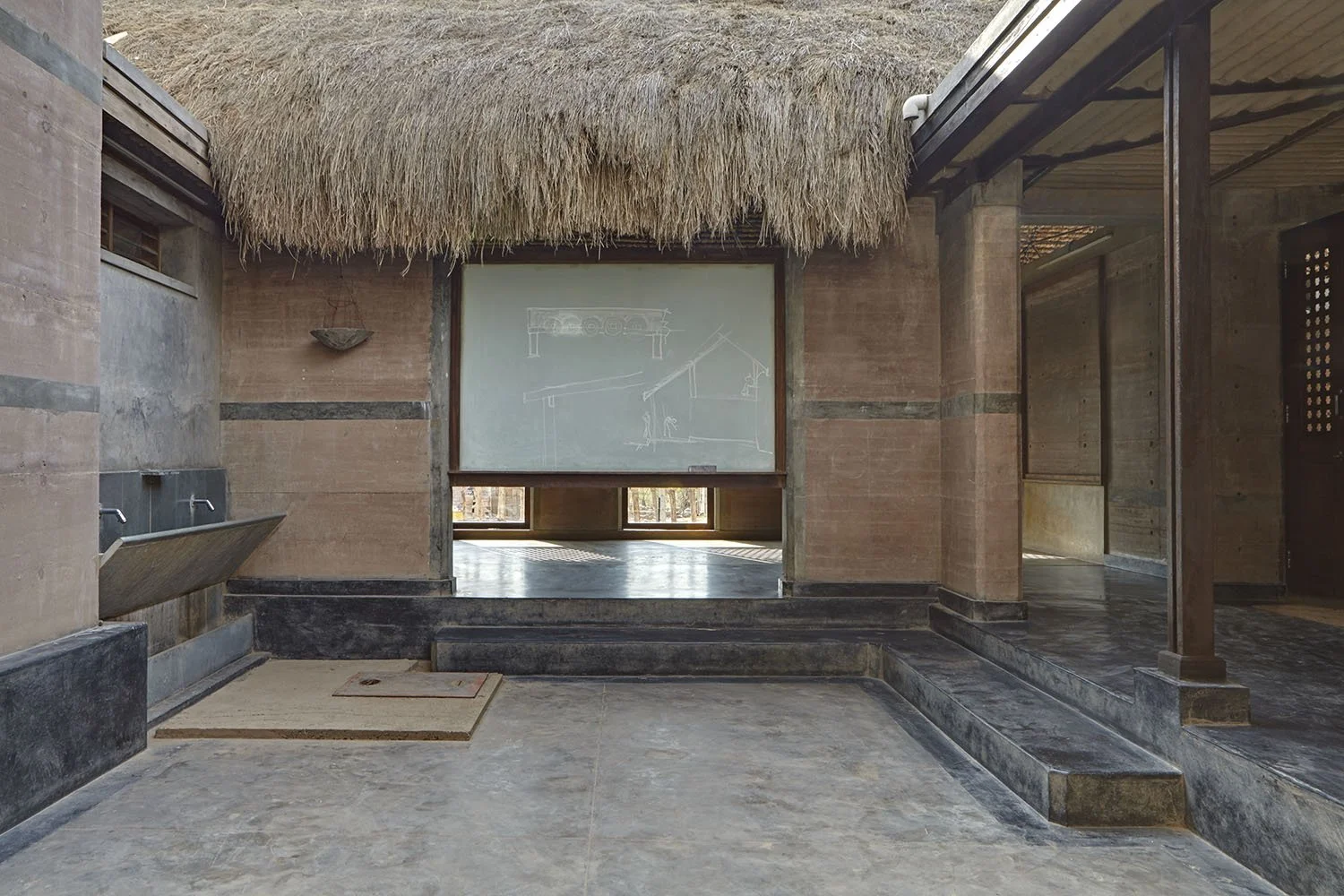
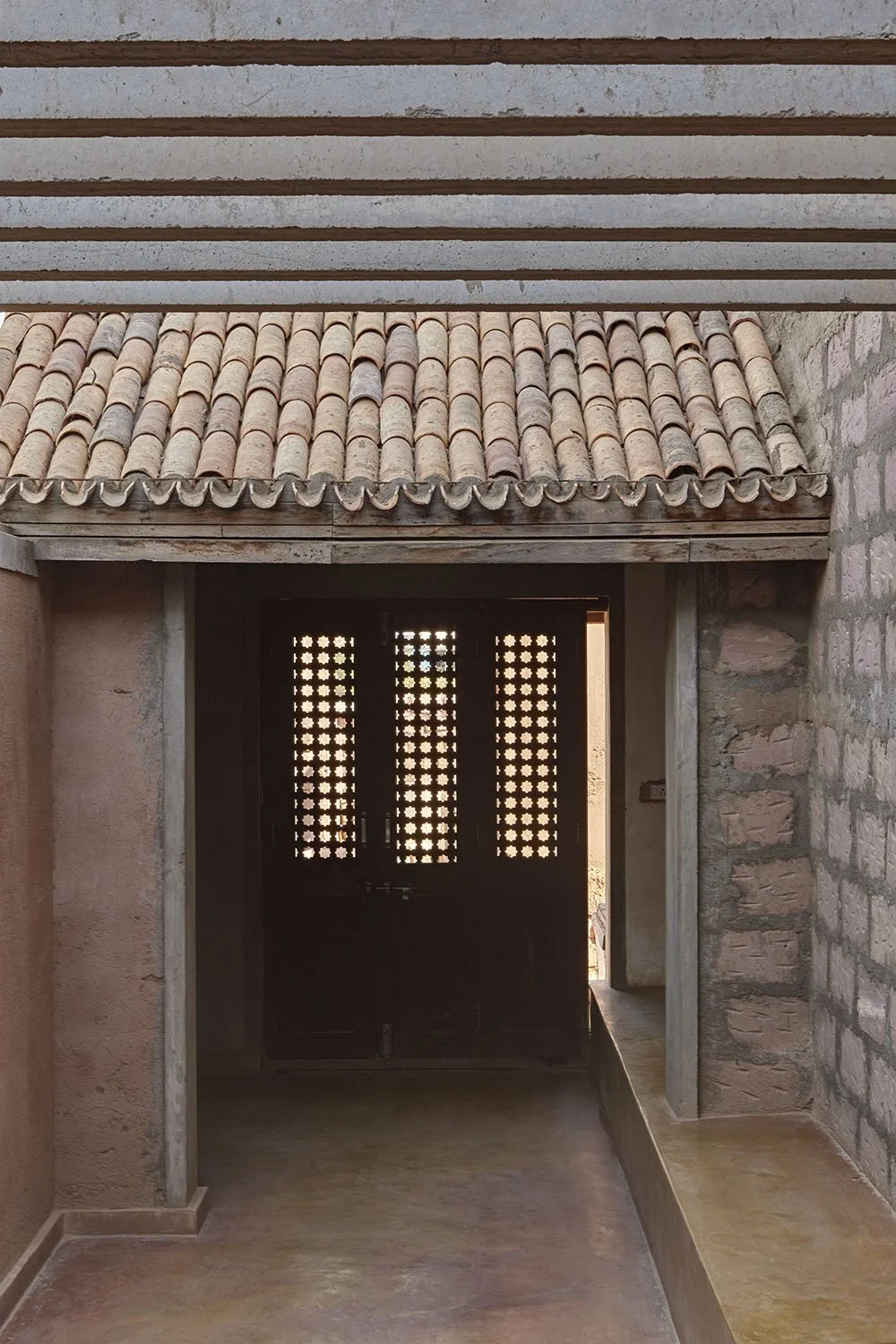
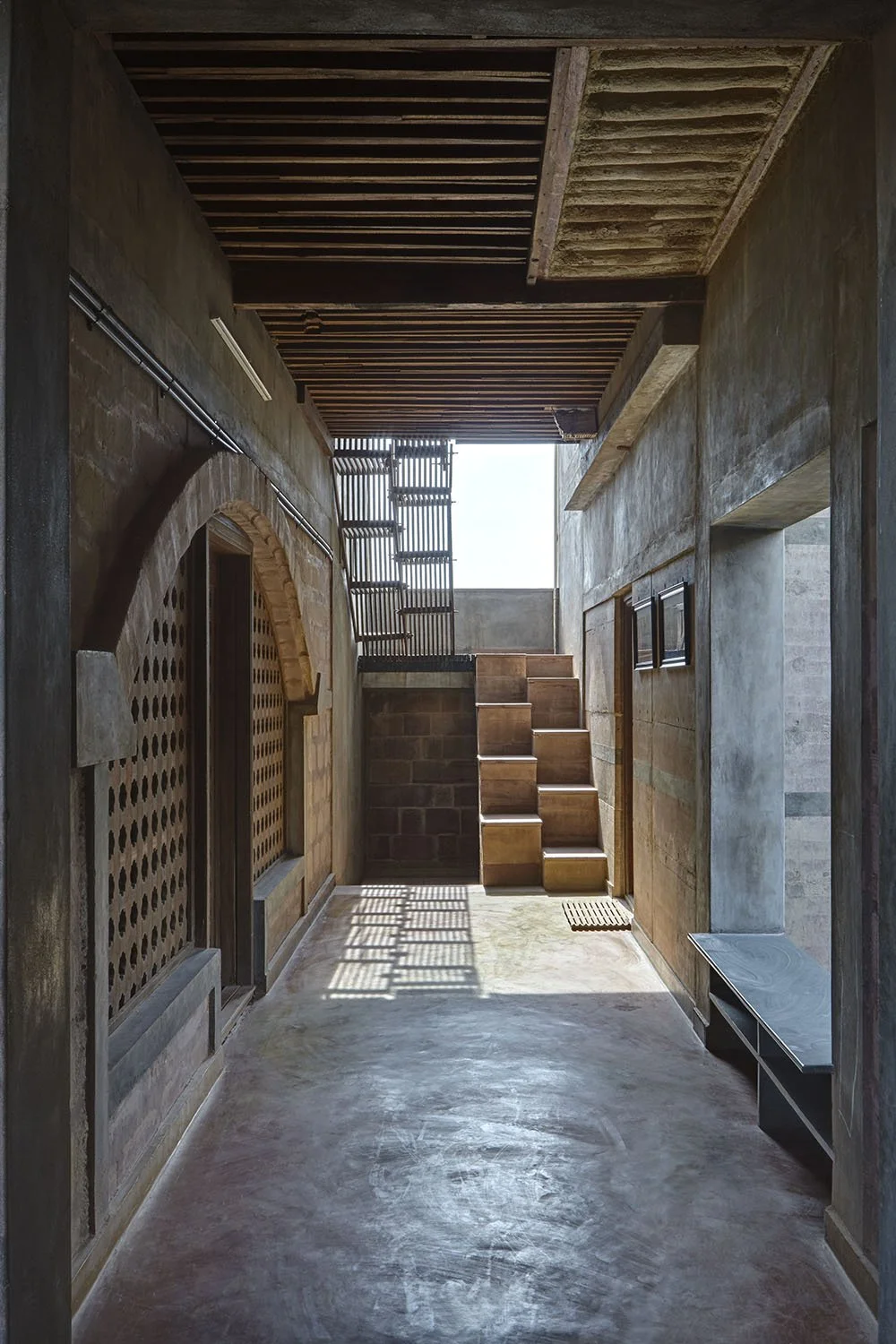
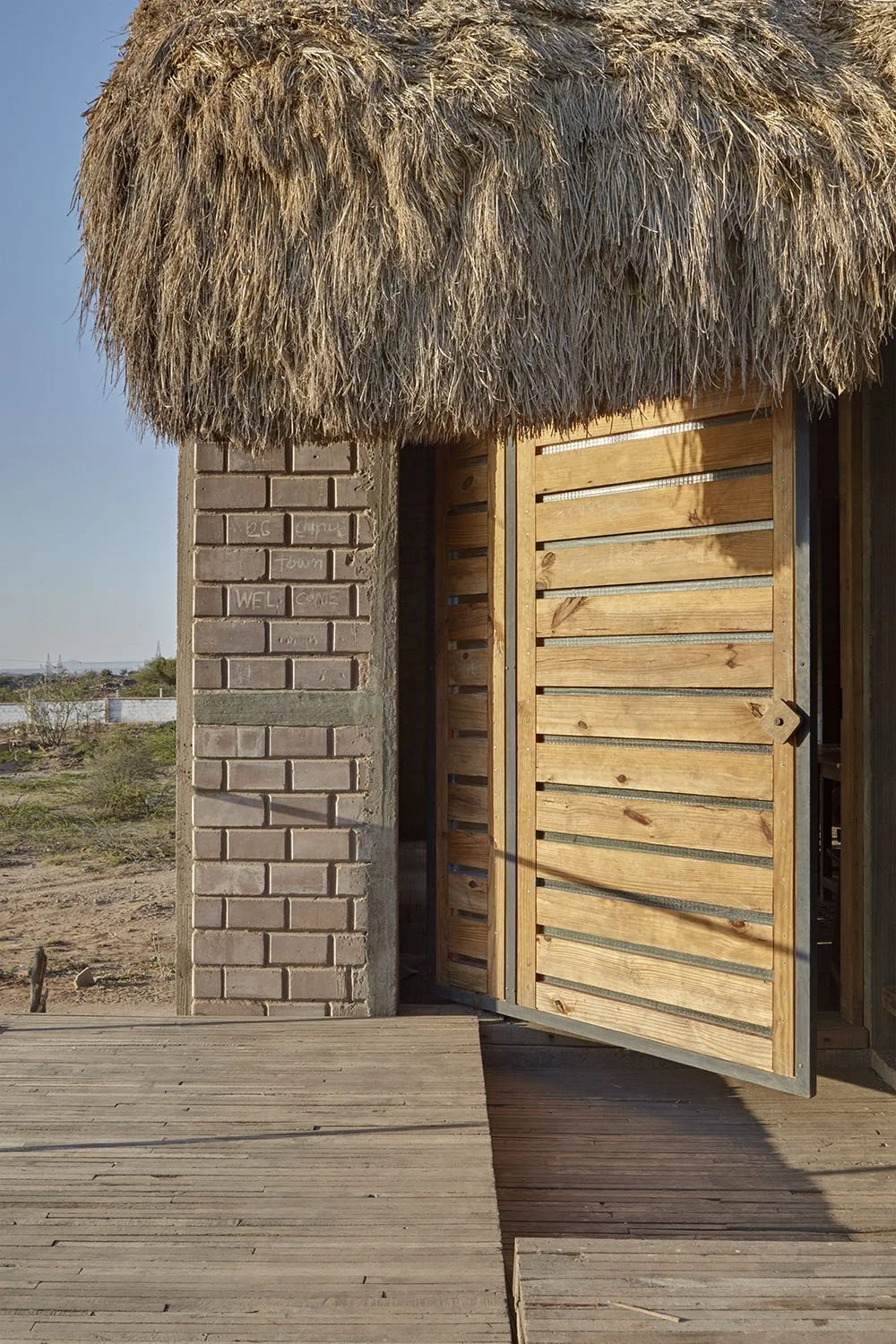
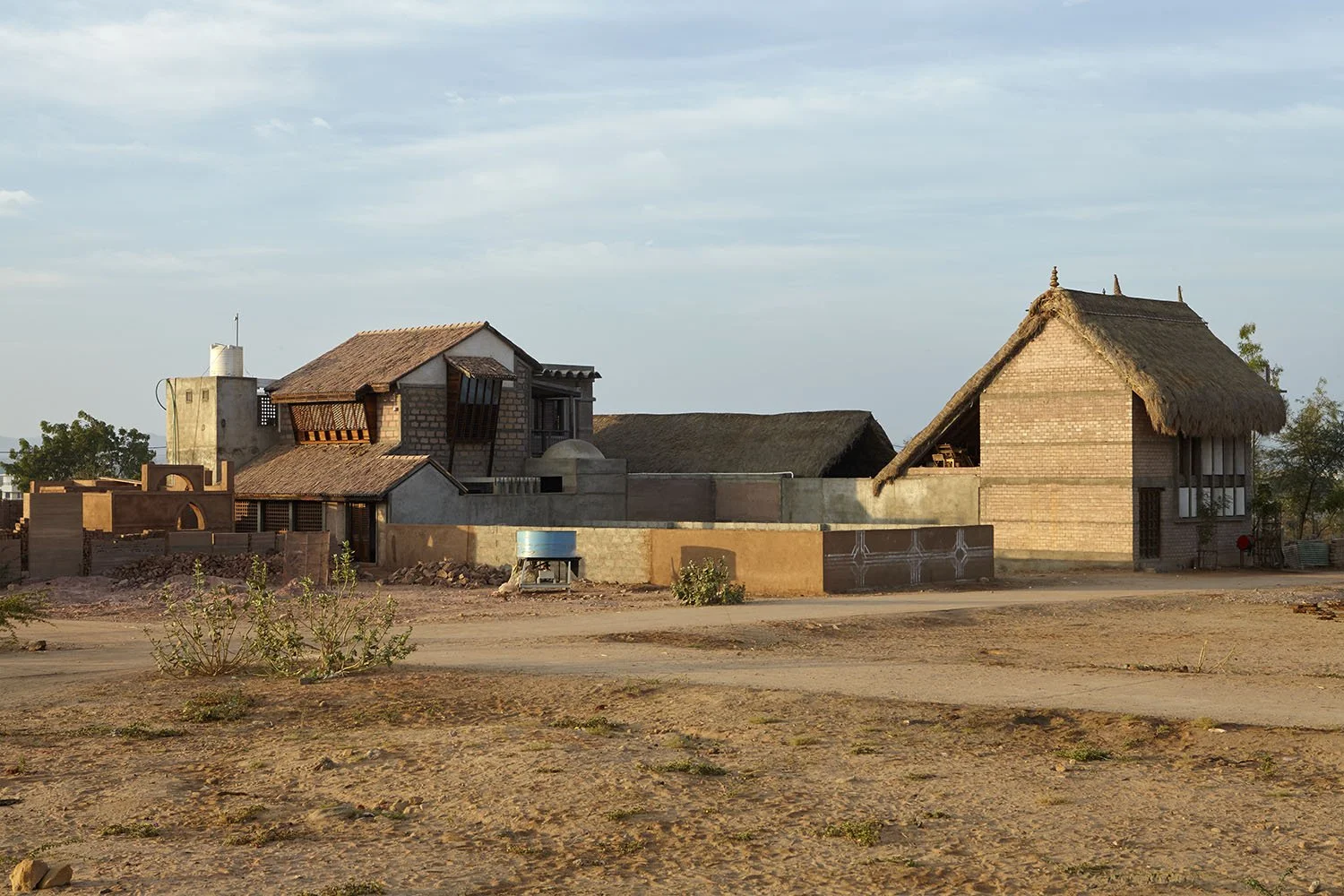
The Karigar Shala campus reflects the collective effort of students and alumni, guided by artisans, designers, and teachers. Every wall, roof, and pathway bears evidence of their work, narrating the story of how the space has evolved through practice, dialogue, and care. Each group has contributed something lasting, turning the campus into a lively record of people, skills, and relationships, marked by their expertise and intense bonds.
What remains is more than just buildings: it is a record of skills, relationships, and shared responsibility, where education is embedded into the very spaces that continue to teach—serving as a reference resource for various institutions that seek to learn from its practices.
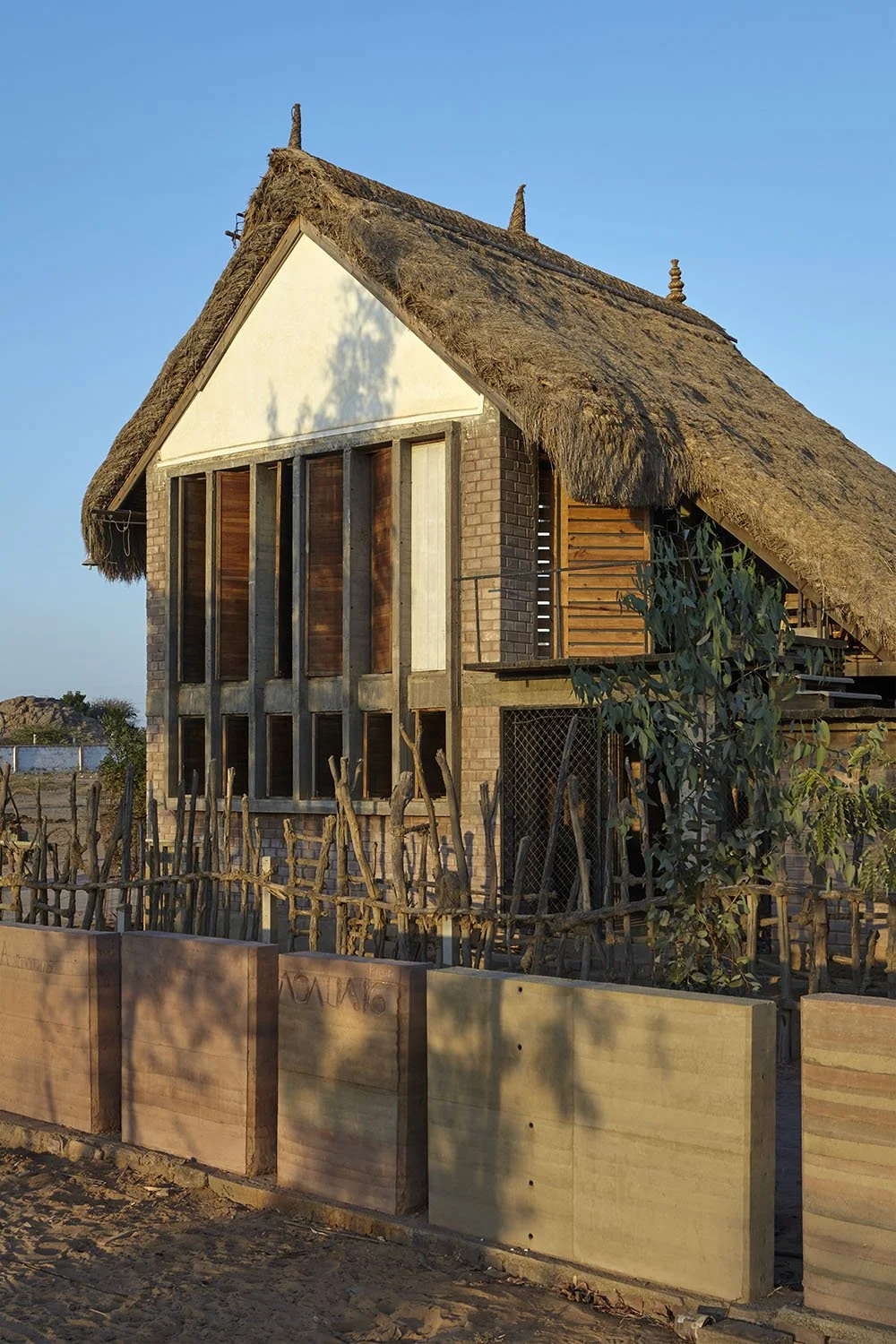
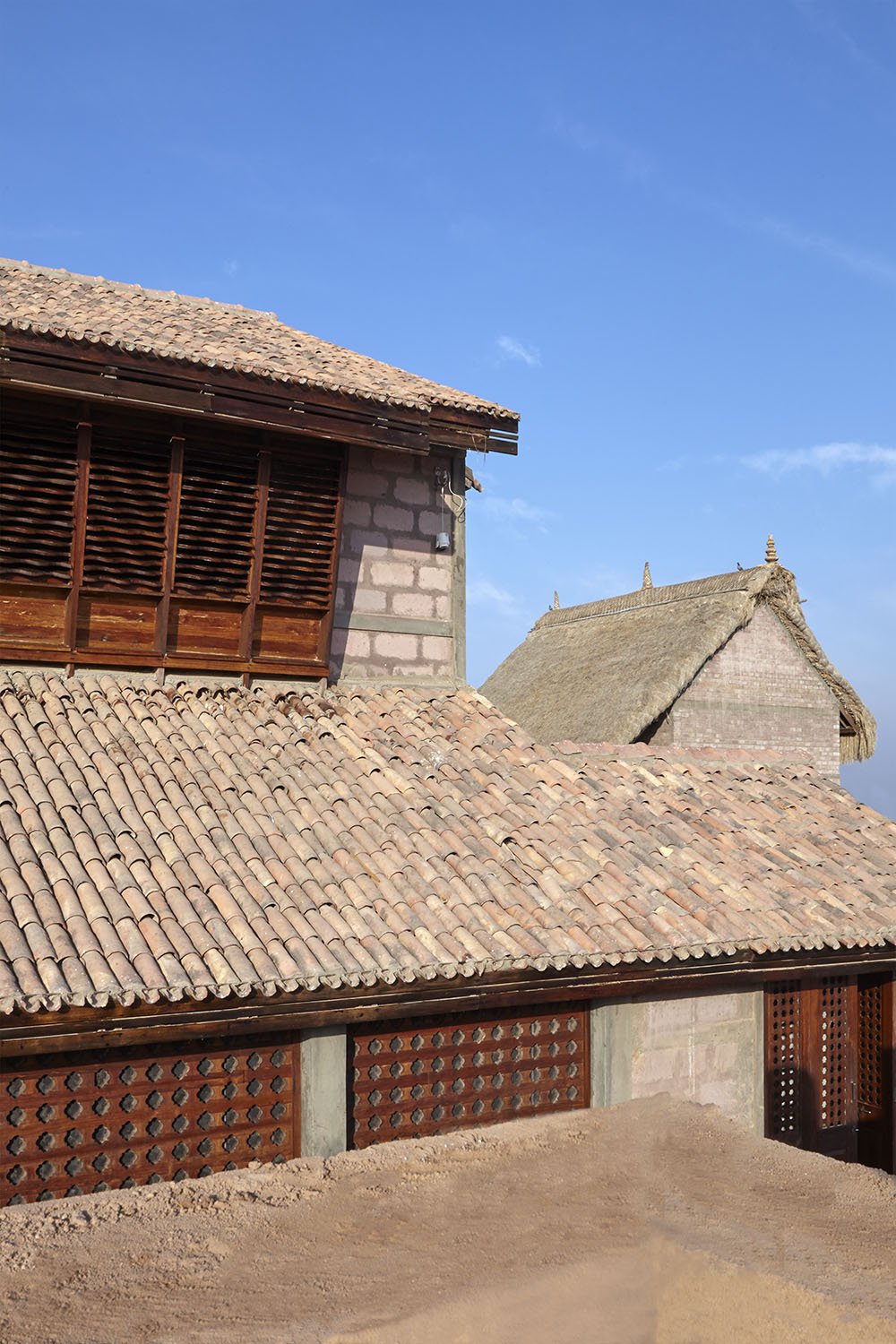
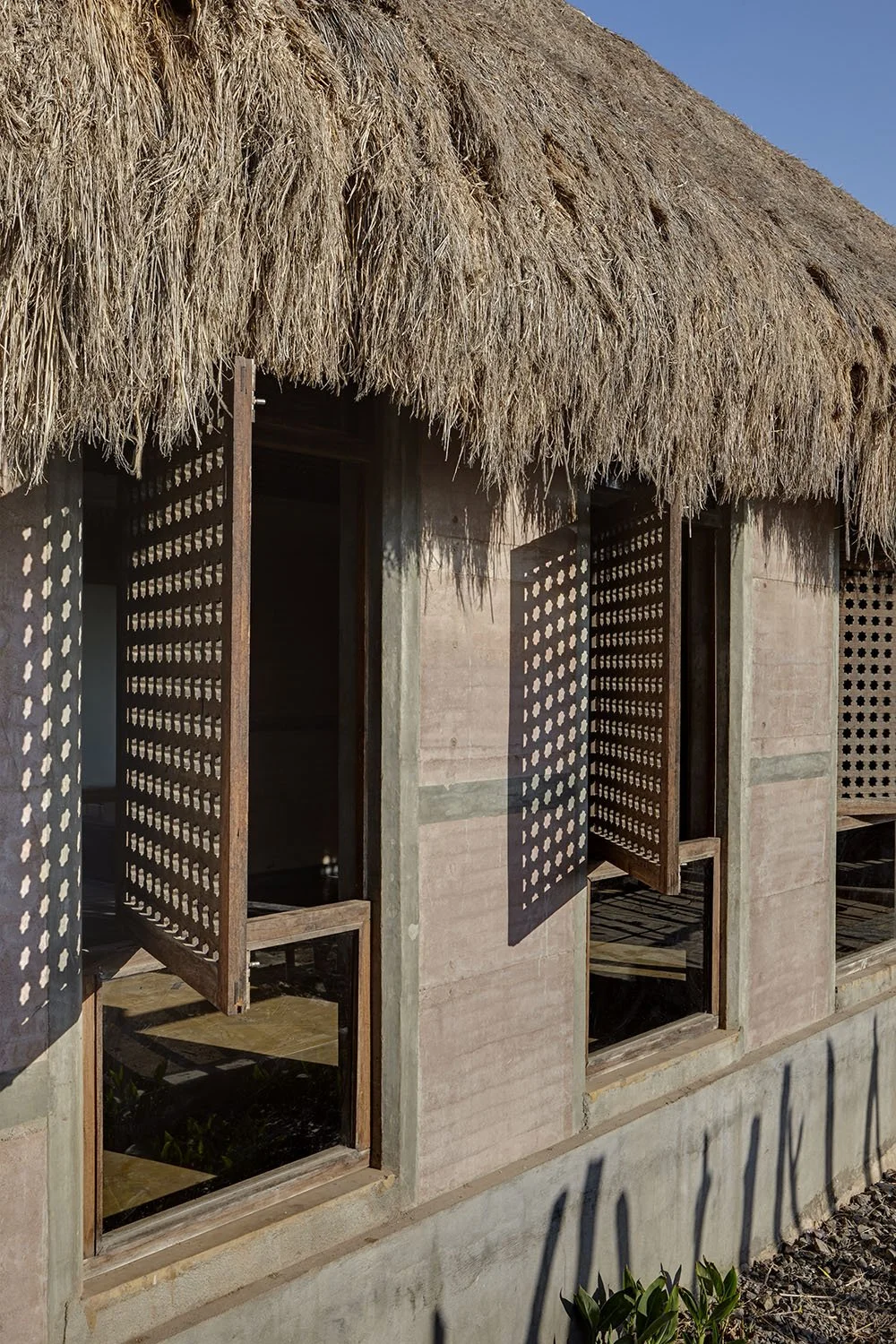
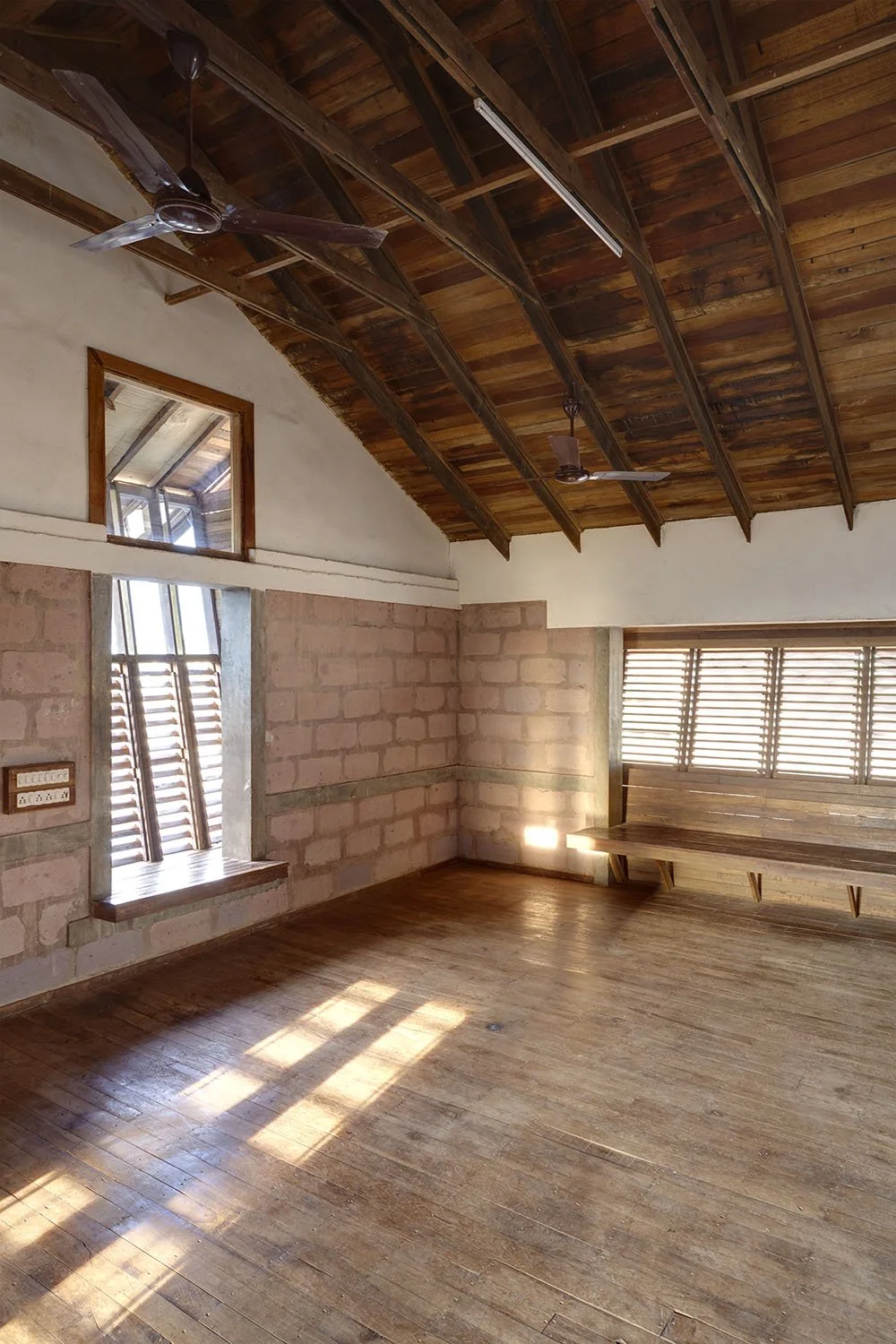
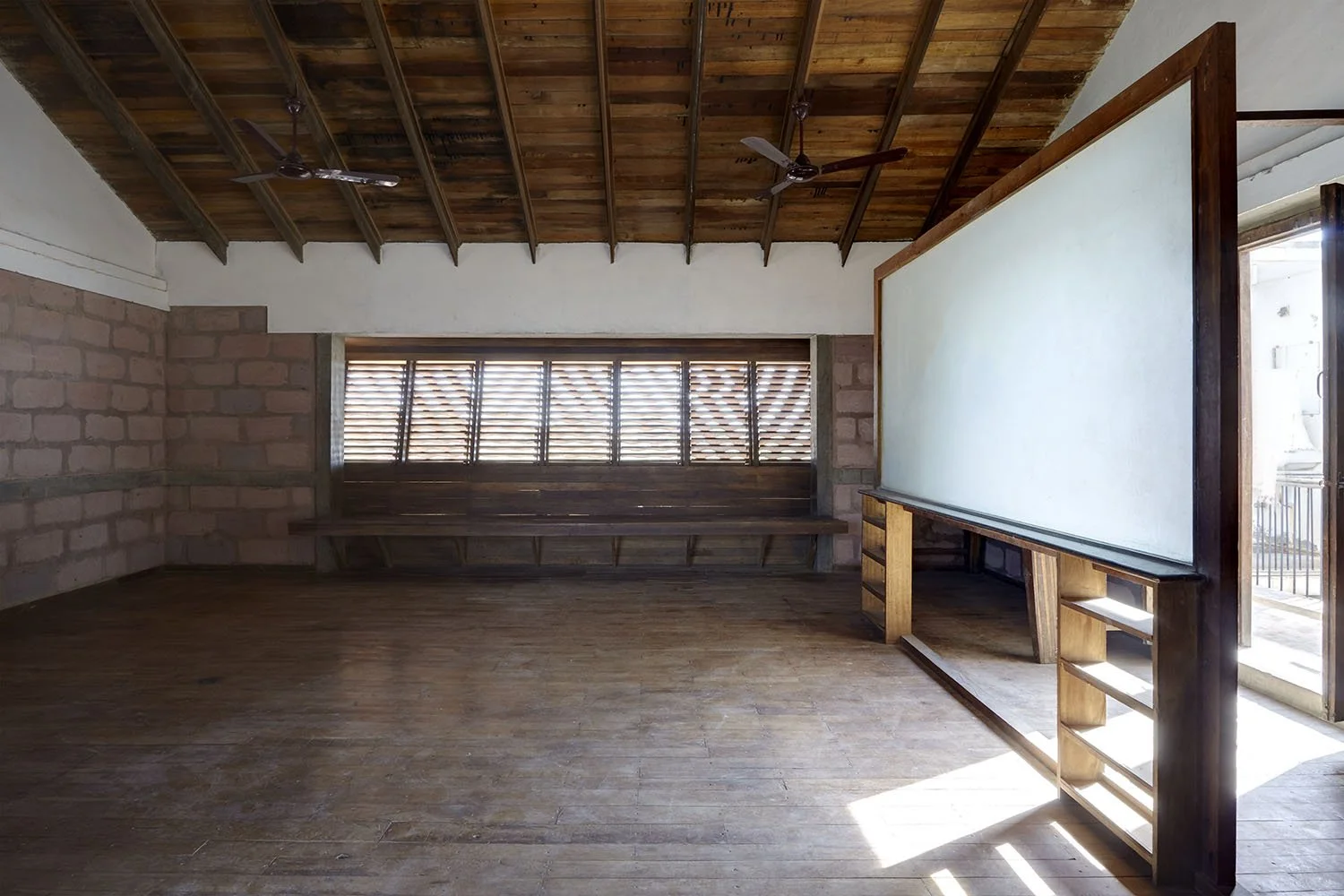
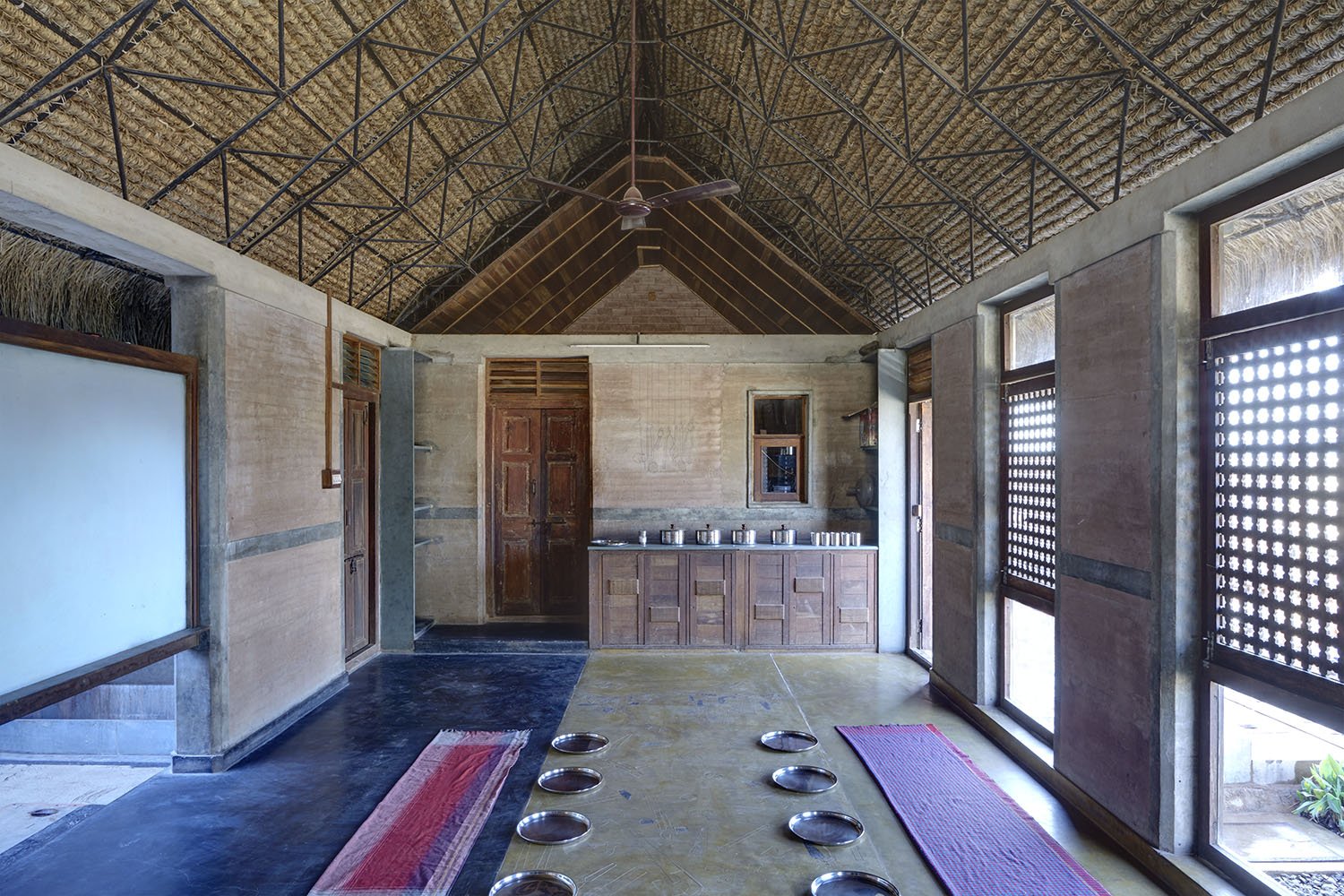
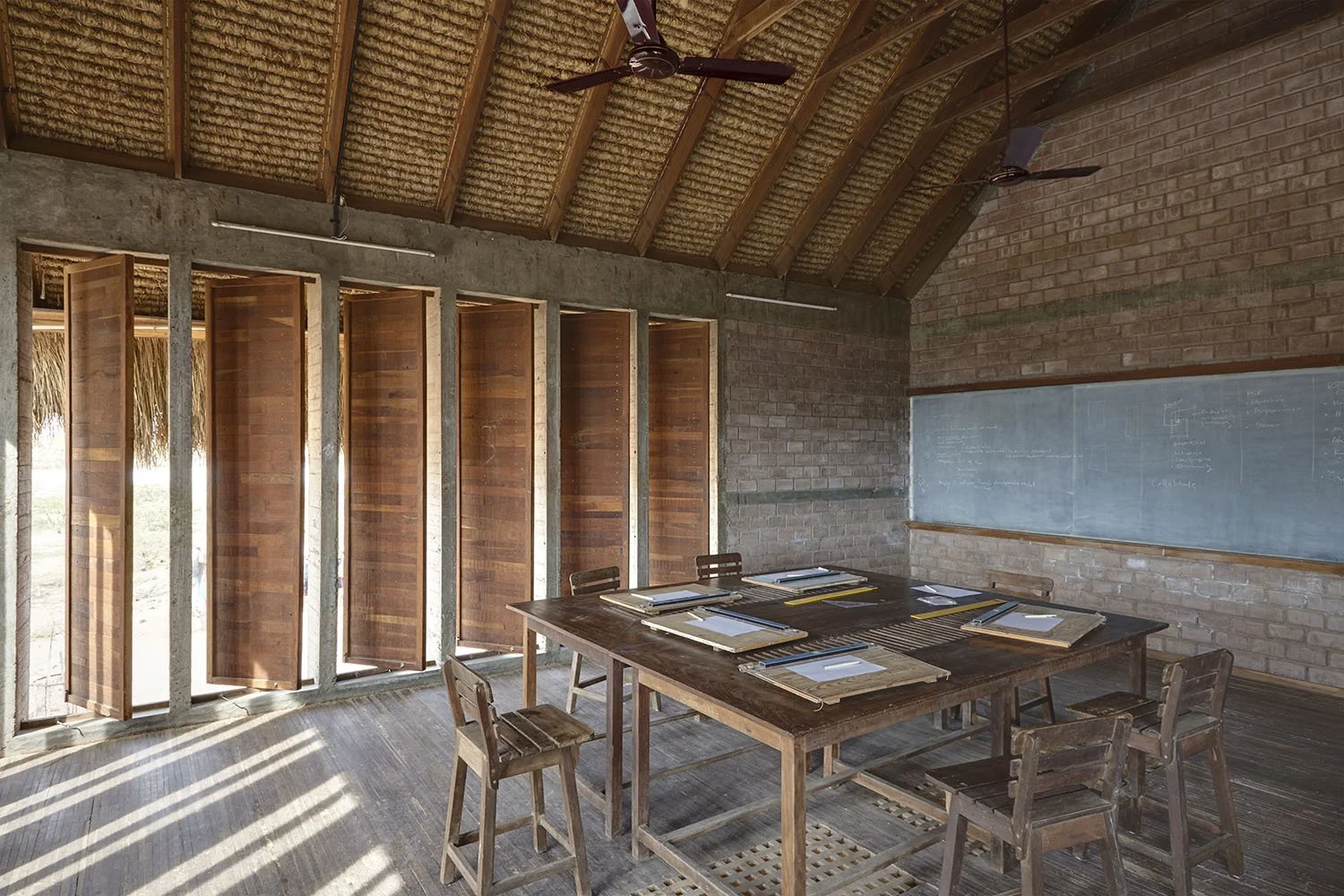
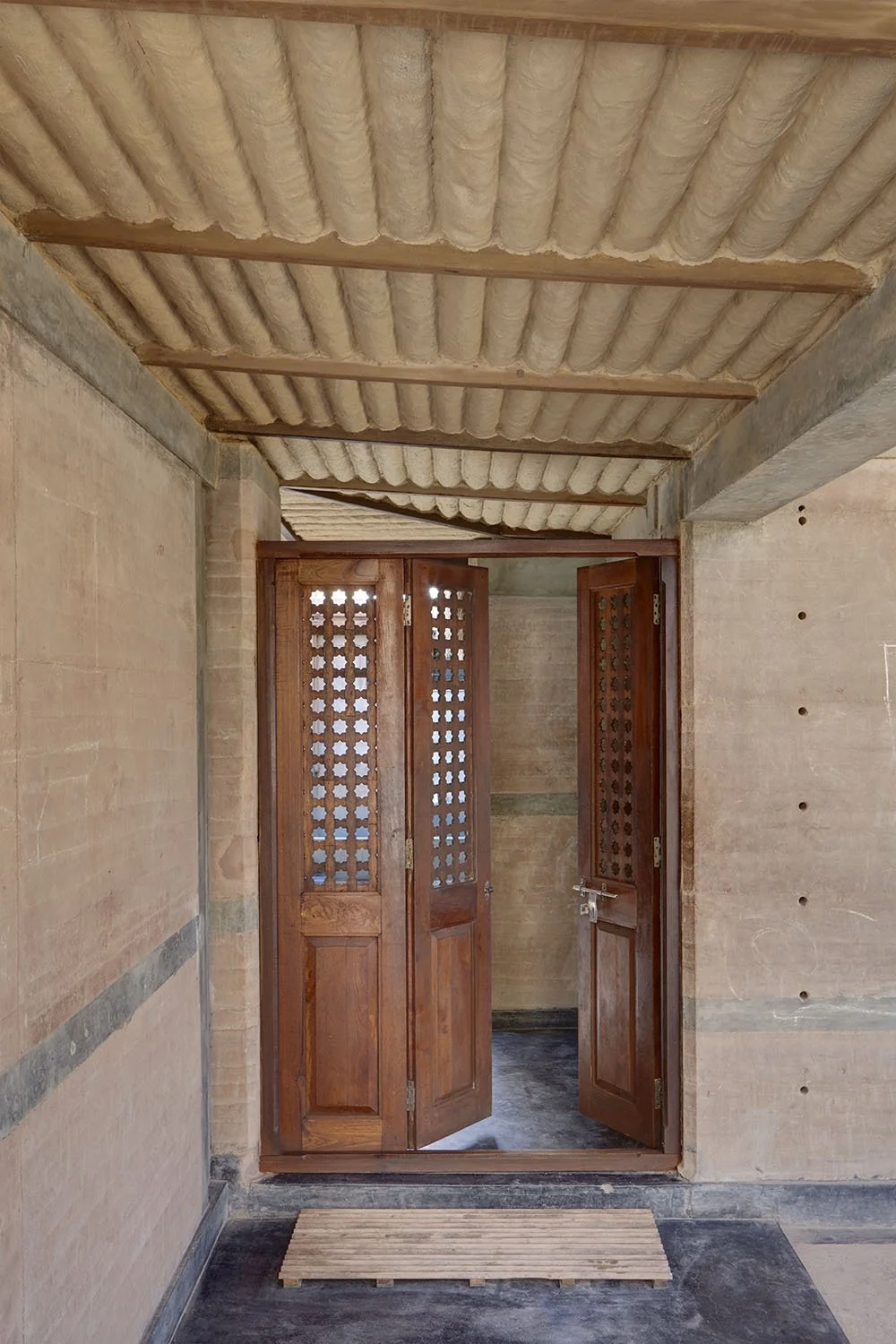
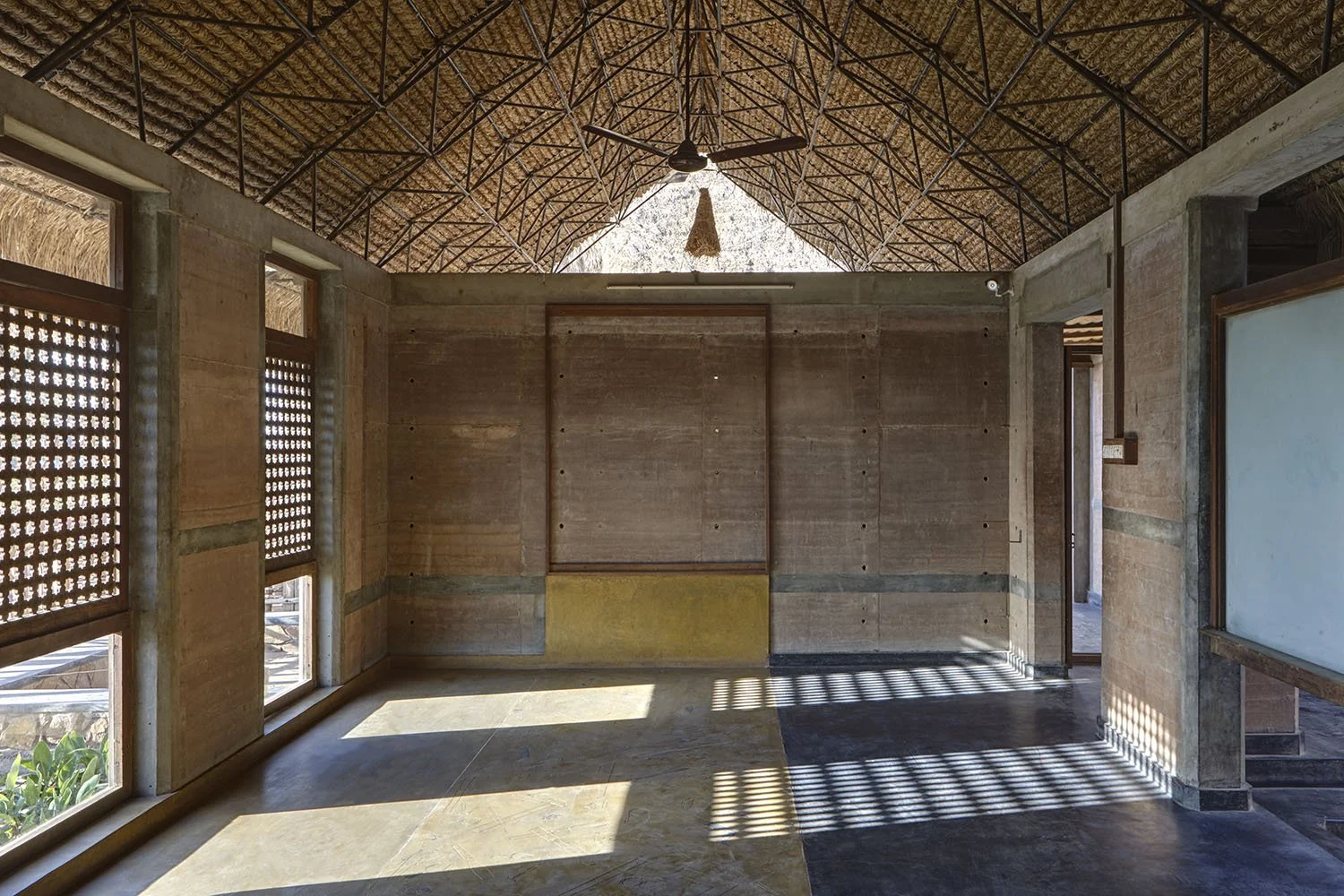
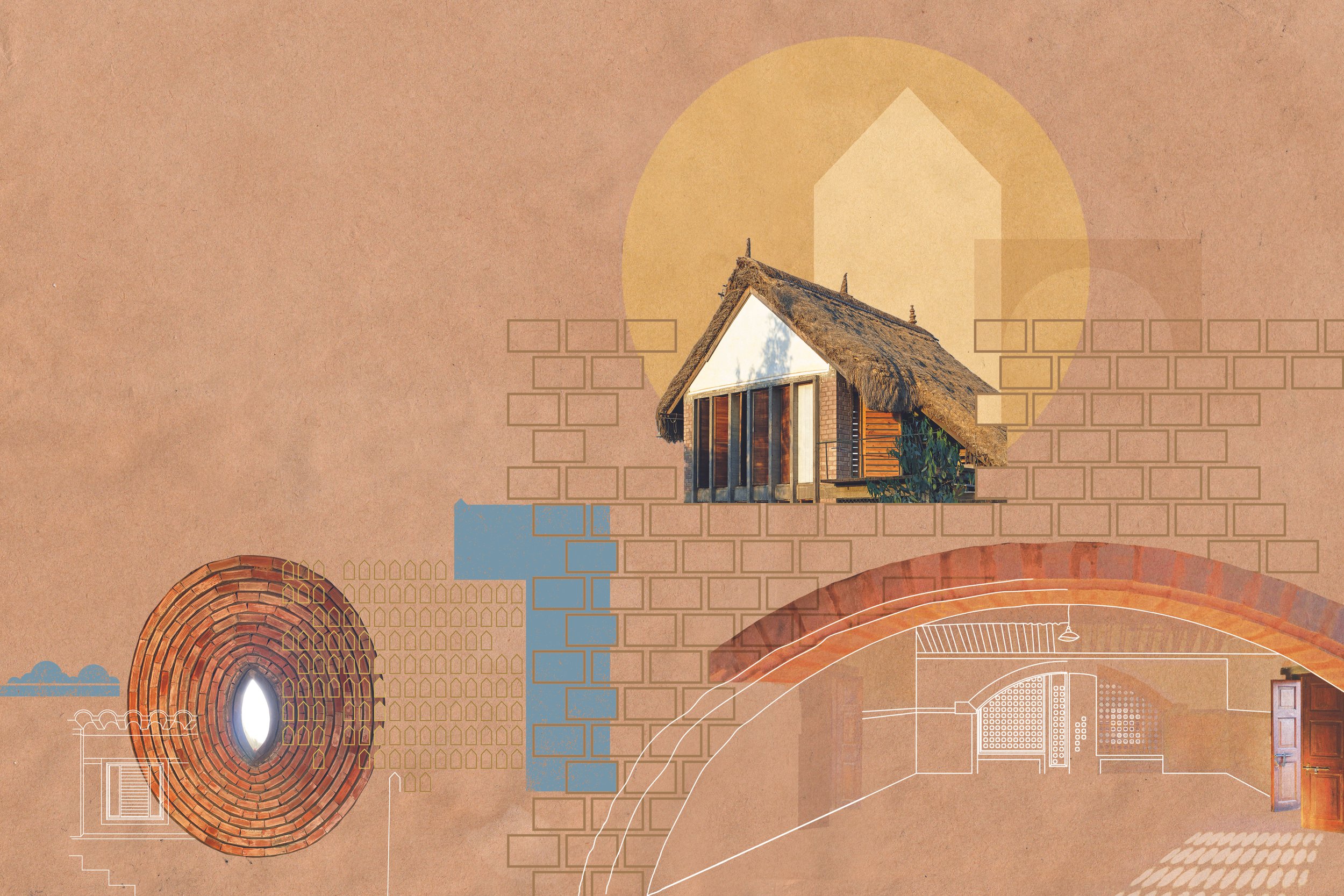
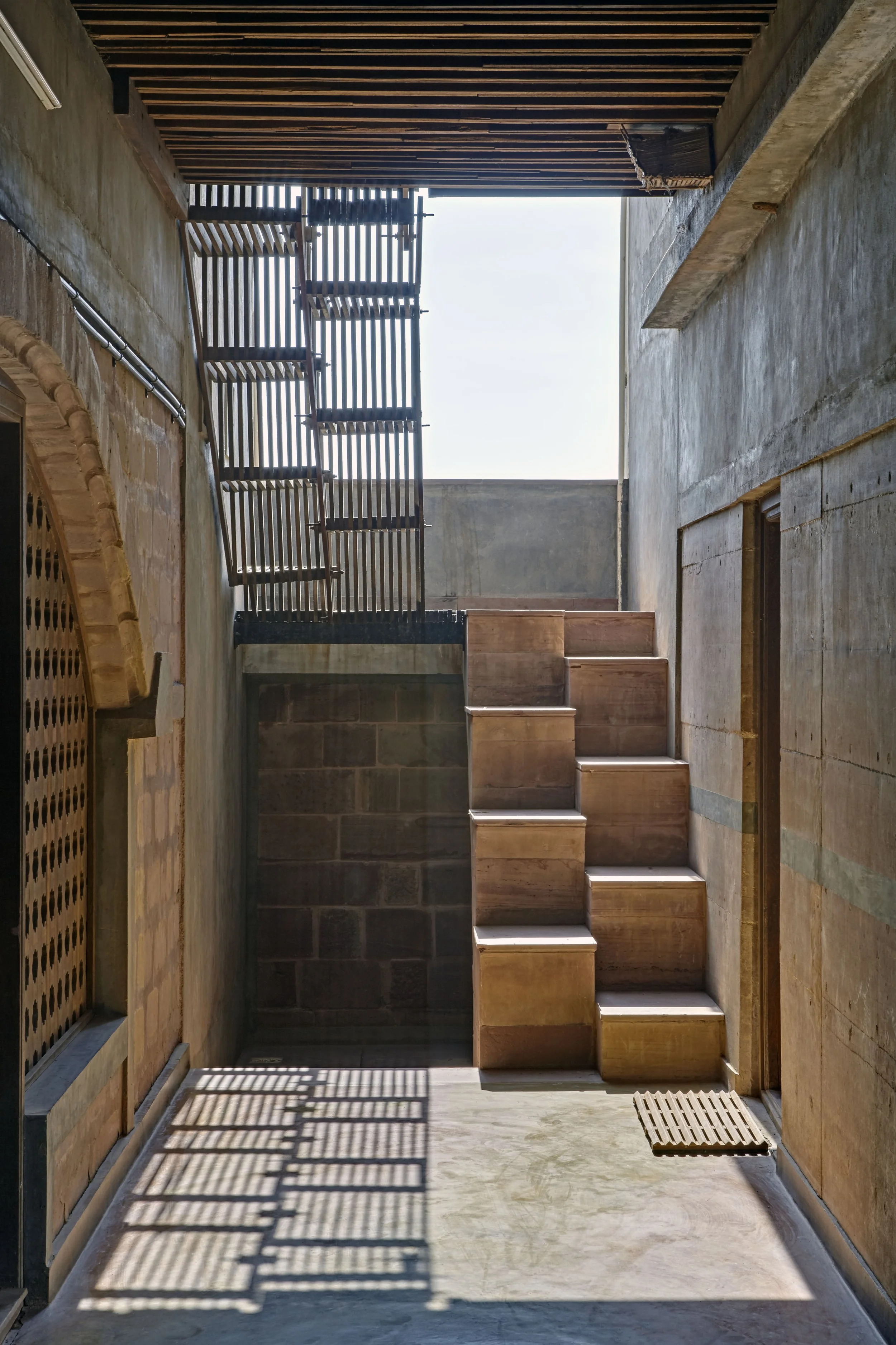
The buildings are constructed using adobe bricks, rammed earth, stone masonry, lime plasters, bamboo, reclaimed wood, thatch, and IPS flooring—materials sourced locally and crafted with respect for their character. Each structure accommodates its users' needs and responds to the local climate's rhythms.
Students have participated in every stage of the process—from designing layouts, laying foundations, raising walls, joining timber, applying finishes, to shaping open spaces. Alongside these practical tasks, they have also learned to make collective decisions, listen to others, and value the skills of craftspeople.
These experiences offered them more than just technical skills. They built confidence, responsibility, and a sense of community. The campus itself has become a centre of learning, where skills are cultivated through practical activities, and where work and community are closely intertwined.
Today, Karigar Shala is more than just a place for classes; it stands as a living testament to collective effort. Every corner tells a story of those who shaped it, reminding us that education here is not separate from life—it is woven into the very fabric of our space.
New Campus
The 1.5-acre campus at Sukhpar, near Bhuj, is currently under construction and will showcase experiential learning, where students actively participate in shaping their classrooms and the campus environment. From start to finish, the new Karigar Shala will serve as a learning model and a ‘study in progress,’ emphasising the development of artisanal skills through sustainable techniques. It involves testing innovative ideas with traditional materials and reusing elements from the previous campus, all while considering aesthetics, design, and environmental responsibility. The design process is managed by the in-house team, including Architect Dhanushya Senthil Kumar, Interior Designer Dhwani Makwana, and Architect Intern Sridharan Rajesh, under the mentorship of Kiran Vaghela.
Old Campus- 2010 - 2025
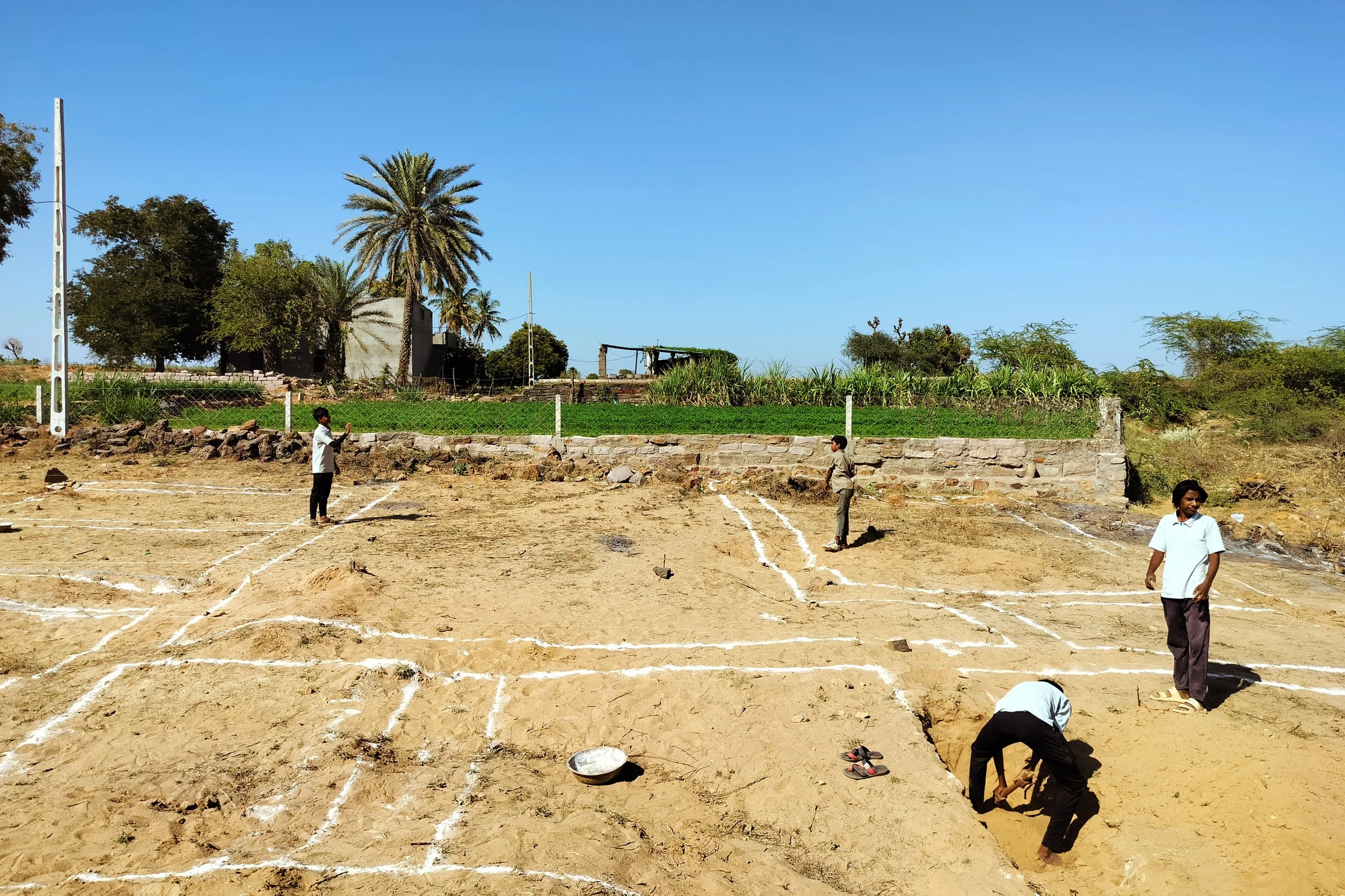
Karigar Shala students working on the upcoming campus.
Old Campus
2010 - 2025